
Exploring the cultural nuances of gambling in modern society
Exploring the cultural nuances of gambling in modern society
The Historical Perspective of Gambling
Gambling has existed in various forms throughout human history, often intertwined with cultural rituals and social gatherings. Ancient civilizations, such as the Greeks and Romans, engaged in betting games, linking them to festivities, and even nowadays, many look for free spins no deposit south africa as part of their entertainment selection. These activities were not merely for financial gain; they served as entertainment and a means to foster social bonds among participants, reflecting a shared enjoyment of chance and unpredictability.
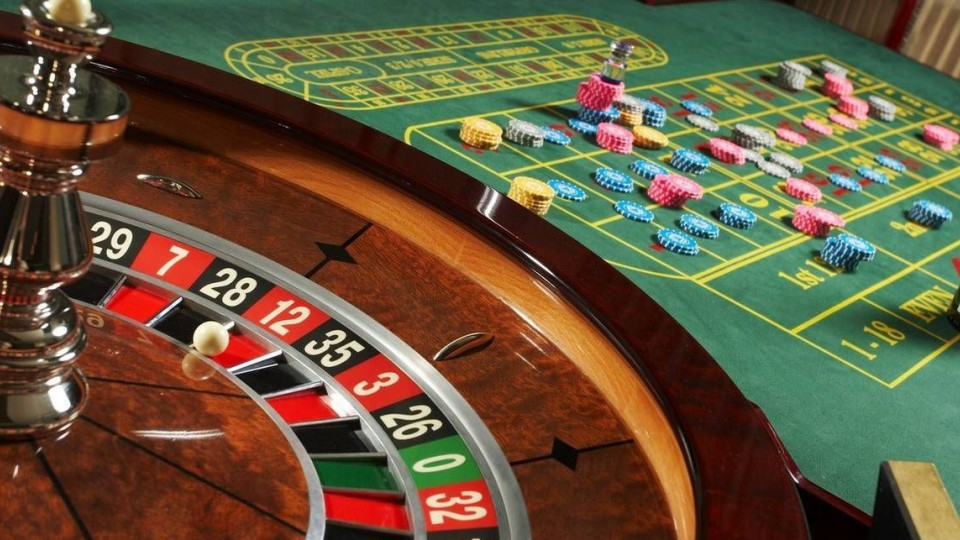
As societies evolved, so did the perception of gambling. In the Middle Ages, it was often associated with morality and sin, leading to periods of prohibition in several cultures. However, this disdain did not eradicate the practice; rather, it transformed gambling into a clandestine activity. Over time, particularly during the Enlightenment, attitudes began to shift again, embracing the idea of individual liberty, which allowed for a resurgence of gambling activities in various forms.
In the modern era, gambling has undergone further transformation, adapting to new technologies and societal norms. The introduction of online platforms has made gambling more accessible, leading to significant shifts in how people engage with these activities. This evolution reflects not just changes in technology but also alterations in cultural attitudes towards risk and reward, indicating a complex relationship between gambling and contemporary society.
Global Perspectives on Gambling
The cultural acceptance of gambling varies significantly across different regions, shaped by local traditions, laws, and societal attitudes. In countries like Macau and Las Vegas, gambling is not only accepted but celebrated as a major economic driver. These cities have crafted a unique identity around gambling, attracting millions of tourists each year and benefiting from substantial revenue, which further embeds gambling in their cultural fabric.
Conversely, in many conservative societies, gambling remains taboo, often viewed as a vice that leads to moral decay. Countries with strict laws against gambling reflect a desire to uphold traditional values and prevent social issues associated with addiction and financial ruin. This dichotomy highlights how gambling serves as both a form of entertainment and a point of contention, reflecting broader cultural debates about risk-taking and personal freedom.
Moreover, global events can influence local gambling practices. For instance, major sporting events often see a surge in betting activities, regardless of the legal status of gambling in those regions. This phenomenon underscores the transient nature of cultural attitudes toward gambling, as even traditionally conservative societies may loosen restrictions temporarily to capitalize on the excitement surrounding major events.
The Psychological Aspects of Gambling
Gambling is deeply rooted in psychological factors that drive human behavior. The thrill of risk and the potential for reward activate the brain’s reward system, releasing neurotransmitters that create feelings of pleasure and excitement. This psychological high can lead individuals to pursue gambling despite potential negative consequences, as the allure of winning often overshadows the risks involved.
Additionally, cognitive biases play a significant role in how people perceive gambling outcomes. Many gamblers exhibit a tendency to overestimate their chances of winning, fueled by the availability heuristic, which leads them to recall recent wins more vividly than losses. This distortion can perpetuate gambling behaviors, resulting in a cycle that can be challenging to break and illustrating the complex interplay between mindset and gambling practices.
The impact of gambling on mental health is another critical aspect to consider. While many engage in gambling as a form of entertainment without adverse effects, others may develop problematic behaviors that lead to addiction. This duality emphasizes the importance of understanding individual motivations for gambling and the need for support systems that can help those who may be struggling with their gambling habits.
Myths and Misconceptions Surrounding Gambling
Despite its long history, gambling is surrounded by various myths and misconceptions that influence public perception. One of the most prevalent myths is the belief in “luck” or “hot streaks,” which can lead individuals to chase losses or bet more aggressively, expecting that they will eventually win. This misconception is detrimental, as it can lead to significant financial losses and contribute to gambling addiction.
Another common myth is that certain games are “rigged” against players. While it is true that casinos have a built-in advantage, the outcome of games like poker or blackjack relies heavily on skill and strategy. Educating players about the rules and odds of these games can empower them to make more informed decisions, dispelling the notion that success is purely a matter of luck.
Moreover, societal attitudes often perpetuate stigma around gambling, leading to misconceptions regarding who engages in gambling and why. Many believe that gamblers are solely those with addiction issues, overlooking the vast majority of recreational players who engage responsibly. Addressing these myths is essential for fostering a more nuanced understanding of gambling in modern society.
Understanding Online Gambling’s Cultural Impact
The rise of online gambling has revolutionized the gambling landscape, creating a unique cultural phenomenon. With the click of a button, individuals can access a world of gaming options, from traditional casino games to innovative betting opportunities. This accessibility has transformed gambling from a physical social activity into a solitary pursuit, affecting how individuals engage with the practice.
Online gambling has also given rise to new cultural expressions, such as streaming platforms where players share their experiences live. This shift has created a community aspect within online gambling, where players can interact, share strategies, and even form friendships, somewhat replicating the social experiences of traditional gambling but in a digital realm.
Furthermore, the growth of online gambling has led to regulatory challenges and cultural debates regarding its implications for society. Issues surrounding addiction, consumer protection, and the economic impact on local communities are hot topics among policymakers and scholars alike. As online gambling continues to evolve, its influence on culture and society will undoubtedly be a focal point for future discussions.

Conclusion: Navigating the Modern Gambling Landscape
The exploration of gambling in modern society reveals a complex interplay of cultural attitudes, psychological factors, and technological advancements. Understanding these nuances is essential for both individuals engaging in gambling activities and society as a whole. As we navigate this evolving landscape, it is crucial to foster informed discussions that acknowledge the diverse experiences of gamblers while addressing potential harms and promoting responsible gaming practices.
Our website serves as a valuable resource for those interested in the gambling realm, providing insights, strategies, and up-to-date information. By prioritizing responsible gambling and offering comprehensive guides, we aim to empower individuals to make informed choices and enjoy their experiences safely. Whether you are a seasoned gambler or new to the scene, understanding the cultural context of gambling is essential for a rewarding and responsible engagement with this age-old activity.